
How a Longevity Doctor Builds Your Protocol
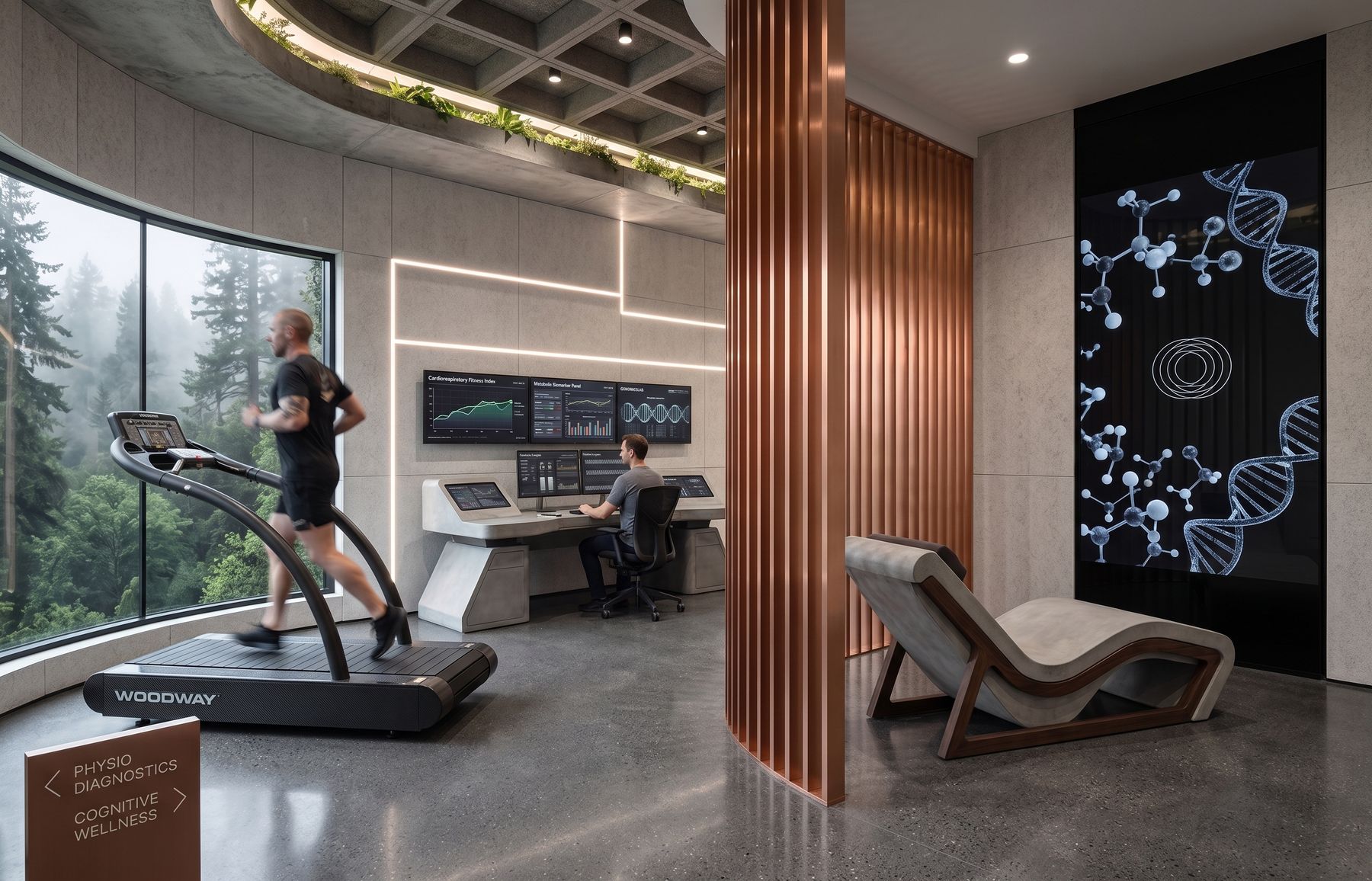
A proactive longevity protocol treats your healthspan as an engineering problem — not a series of annual checkups.
Traditional medicine waits for you to get sick. A longevity protocol doesn't. Emerging clinical frameworks in Performance Medicine and Healthy Longevity Medicine describe a fundamentally different model — one that uses continuous surveillance, deep diagnostics, and biological aging clocks to map your trajectory before disease manifests, then intervenes with targeted exercise, nutrition, sleep, and pharmacology to bend that curve.
This isn't theoretical. Peer-reviewed frameworks published in Frontiers in Sports and Active Living (Buford et al., 2023) and Aging and Disease (2024) now codify how these clinics operate. Here's a breakdown of the clinical architecture — and what you can take from it for your own health strategy.
The Core Shift: Prevention of Prevention
The standard healthcare model is reactive. You develop symptoms, get a diagnosis, then receive treatment — often after years of subclinical damage have already accumulated. The Medicine 3.0 framework flips that timeline.
A proactive longevity protocol targets the upstream drivers of the "Four Horsemen" — metabolic disease, atherosclerotic cardiovascular disease (ASCVD), cancer, and neurodegenerative decline — decades before they would trigger a clinical diagnosis. It replaces the question "Are you sick?" with "How fast are you aging, and what can we change?"
This requires a fundamentally different diagnostic architecture.
The Clinical Protocol Architecture
According to the clinical frameworks developed for healthy longevity medicine (Aging and Disease, 2024), an optimized protocol is built on a multi-tiered data processing and treatment model. A physician structures the journey across three diagnostic levels to compile what the literature calls "multimodal data assembly":
Level 1: Real-World Continuous Surveillance
Before any heavy clinical procedures, the physician establishes a baseline of the patient's daily life using digital health tools and wearables.
- Continuous Glucose Monitoring (CGM): Used even in non-diabetic patients to measure postprandial glucose peaks, average glycemic levels, and overall glycemic variability. A 2025 systematic review found that CGM data in healthy individuals correlates with subclinical cardiovascular risk and blood pressure variability — metrics invisible to standard fasting glucose tests (Cureus, 2025).
- Sleep and Circadian Trackers: Evaluating autonomic nervous system balance, heart rate variability (HRV), and resting heart rate to map sleep architecture — specifically monitoring REM and deep slow-wave sleep phases that drive glymphatic brain clearance and metabolic recovery.
The point of Level 1 is granularity. A fasting glucose drawn once a year tells you almost nothing about how your body actually handles the 1,000+ meals you eat between visits. CGM data, captured continuously, reveals the real metabolic picture.
Level 2: Deep In-Clinic Diagnostics
In the clinic, the physician performs deep-tissue and metabolic diagnostics to assess physiological capacity:
- Cardiorespiratory Fitness Testing: Peak oxygen consumption (VO2 max) is evaluated via treadmill or cycle ergometer testing. It acts as one of the single strongest independent predictors of all-cause and cardiovascular mortality — with a strong dose-dependent inverse association that outperforms most traditional risk factors (Review of Cardiovascular Medicine, 2023). Our Fitness Age Calculator can give you an initial estimate, but a validated lab test is the gold standard. For a complete guide on improving this metric, see our VO2 max training breakdown.
- DEXA Imaging: Dual-Energy X-Ray Absorptiometry (DXA) tracks body composition — specifically measuring visceral adipose tissue (VAT) and Appendicular Skeletal Muscle Mass (ASMM). Cross-sectional data from the INSPIRE study (n = 1,450, ages 20–93) confirms that lean mass decline accelerates sharply after age 60, making early baseline measurement critical for detecting sarcopenia before it becomes irreversible (GeroScience, 2024). The Muscle Maker Calculator uses DEXA-derived inputs to model your lean mass trajectory.
- Advanced Blood Chemistry: Moving beyond standard cholesterol panels to assess total atherogenic risk and metabolic efficiency. This means ordering ApoB, Lp(a), fasting insulin, HOMA-IR, and hs-CRP — not just the LDL-C and total cholesterol your annual physical captures. Our guide to affordable at-home biomarker testing covers how to order these panels yourself for a fraction of in-clinic cost.
Level 3: Biological Age Clocks and Multi-Omics
For advanced stratification, the protocol incorporates cellular aging markers:
- Epigenetic Methylation Clocks: Tools like DunedinPACE, GrimAge2, or PhenoAge measure biological pace of aging relative to chronological age. The TranslAGE platform (2025) is working to validate these clocks as clinical surrogate endpoints — moving them from research curiosities toward actionable diagnostic tools (Innovations in Aging, 2025).
- Proteomics and Metabolomics: Assessing systemic inflammation (e.g., hs-CRP, cytokines, ANGPTL proteins) to identify "inflammaging" — the chronic, low-grade inflammation that accelerates every hallmark of aging from genomic instability to mitochondrial dysfunction (Signal Transduction and Targeted Therapy, 2023).
The Core Biomarker Targets
Longevity physicians do not aim for "normal" population reference ranges. Those ranges reflect an average, relatively unhealthy population. Instead, they target optimal ranges designed to maximize healthspan.
| Biomarker Category | Key Clinical Metric | Longevity Target | Why It Matters |
|---|---|---|---|
| Atherogenic Particles | ApoB (Apolipoprotein B) | Aggressive reduction (often < 60–80 mg/dL) | Superior to LDL-C for predicting atherogenic particle count and vascular stiffness. See our full ApoB breakdown. |
| Cardiorespiratory | VO2 Max | Aim for "Elite" category (> 95th percentile for age/sex) | Strong dose-dependent inverse association with all-cause mortality (Review of Cardiovascular Medicine, 2023). |
| Skeletal Muscle | Appendicular Lean Mass Index (ALMI) | High-normal range; prevention of sarcopenia | Muscle mass and strength protect against metabolic dysfunction and physical frailty. |
| Metabolic Health | Fasting Insulin and Glycemic Variability | Low fasting insulin (< 5 μIU/mL) and minimal glucose swings | Reduces peripheral insulin resistance and systemic inflammation. |
The gap between "normal" and "optimal" is where most of the longevity opportunity lives. An ApoB of 110 mg/dL is considered perfectly fine by standard guidelines. A longevity physician sees it as decades of unchecked atherogenic exposure.
The Longevity Intervention Levers
Once the diagnostic map is complete, the physician prescribes a personalized protocol utilizing four primary lifestyle and therapeutic levers.
1. Exercise Physiology: The Primary Anti-Aging Strategy
Exercise is established in the literature as a primary anti-aging intervention — often outperforming dietary restriction because it avoids adverse lean mass loss. A 2021 review in Aging documented exercise's effects across multiple hallmarks of cellular aging, including telomere maintenance, mitochondrial biogenesis, and reduced cellular senescence (Aging (Albany NY), 2021).
An expert protocol balances two domains:
- Aerobic Conditioning: Emphasizing low-intensity aerobic continuous training (Zone 2) to increase muscle mitochondrial density and maximize fat oxidation capacity. This is paired with High-Intensity Interval Training (HIIT) to upregulate cardiac stroke volume and VO2 max. A 2026 randomized controlled trial confirmed significant improvements in cardiorespiratory fitness from as little as three HIIT sessions per week over 12 weeks (BMC Public Health, 2026). Our VO2 max training guide breaks down exactly how to structure these sessions.
- Progressive Resistance Training: Targeted heavy-load resistance or specialized isometric strength training to reverse sarcopenia, maximize muscle protein synthesis, and preserve bone mineral density. A 2025 protocol trial specifically demonstrated isometric training's efficacy for older adults with sarcopenia and dynapenia — making it a viable option even for those who can't perform traditional compound lifts (Healthcare (Basel), 2025). For a full resistance training framework, see our body composition guide.
2. Precision Nutrition and Chrononutrition
Dietary strategies are framed around metabolic flexibility and cellular signaling:
- Protein Optimization: To combat age-related "anabolic resistance" — where aging muscle becomes progressively less responsive to protein intake — physicians target higher protein intakes than standard RDA guidelines suggest. A typical longevity starting point is 1.2 to 1.6 g/kg of body weight per day, distributed across meals to maximize muscle protein synthesis. Our Optimal Protein Intake Calculator can estimate your specific target, and the High Protein Foods Database makes hitting that number practical.
- Chrononutrition: Aligning food intake with biological clocks. For example, using CGM data to time physical activity — such as a brisk 15-minute walk — right before or during postprandial glucose peaks to rapidly blunt glycemic spikes. A 2025 combined resistance training and polyphenol supplementation trial demonstrated meaningful improvements in metabolic markers and inflammatory cytokines in aging adults (GeroScience, 2025).
3. Circadian Alignment and Sleep Architecture
Sleep is prioritized because its disruption accelerates genomic instability, mitochondrial decay, and cellular senescence. Protocols focus on maximizing slow-wave (NREM) sleep to reduce sympathetic (fight-or-flight) nervous system dominance and support glymphatic clearance of the brain — the same waste-removal process implicated in Alzheimer's disease pathology.
Key interventions include consistent sleep-wake timing, evening light management, and bedroom temperature optimization — all trackable through Level 1 wearable data.
4. Clinician-Supervised Therapeutics
Where lifestyle modifications alone are not enough to hit optimal biomarker ranges, physicians utilize highly targeted therapeutics under tight clinical supervision:
- Lipid-Lowering Therapy: Statins, ezetimibe, or PCSK9 inhibitors are utilized early to drive ApoB down to safe, optimal levels — halting the progression of atherosclerosis over a lifetime rather than waiting for a cardiac event.
- Metabolic and Longevity Pharmacology: Exploring compounds like metformin (which acts on the AMPK pathway to reduce systemic inflammation and cellular aging) or GLP-1 receptor agonists to manage obesity-related cardiovascular-kidney-metabolic (CKM) risk. A 2025 review in Cardiovascular Diabetology mapped exercise interventions across all four CKM syndrome stages, demonstrating how physical activity and pharmacology work as complementary levers (Cardiovascular Diabetology, 2025).
Where the Experts Agree
Longevity physicians strongly champion several pillars of this protocol architecture, which are increasingly supported by the emerging clinical literature:
- The "Prevention of Prevention" Paradigm: Traditional preventive medicine is still reactive — treating blood pressure once it crosses hypertensive thresholds, for instance. The longevity framework operates in the "preclinical stage," tracking physiological deviations in practically healthy individuals across age groups rather than waiting for formal disease diagnoses (Aging and Disease, 2024).
- The AMAL Framework: Academic physicians support structured frameworks like the Active Management of Aging and Longevity (AMAL) model, which validates the three-level clinical architecture described above — integrating digital biomarkers and wearable data (Level 1), deep metabolic and functional testing (Level 2), and multi-omics or epigenetic screening (Level 3).
- Lifestyle as the Highest-Yield Intervention: Experts strongly agree that cardiorespiratory fitness (VO2 max) and resistance training (sarcopenia prevention) represent the most clinically validated, high-yield interventions we possess. These are favored because they optimize systemic mitochondrial health without the translation risks associated with experimental pharmaceuticals (Signal Transduction and Targeted Therapy, 2026).
Where the Experts Urge Caution
While the roadmap is conceptually sound, an expert clinician would aggressively challenge several elements if they were applied indiscriminately to patients today. There is a distinct gap between what is biochemically fascinating in the lab and what is clinically safe and reproducible in humans.
Epigenetic Clocks Are Not Ready for Clinical Decisions
The protocol relies on biological age tests — epigenetic methylation clocks like Horvath's, PhenoAge, or GrimAge. While valuable in research, clinicians in active practice raise a serious warning.
Epigenetic clocks currently lack rigorous standardization, which leads to poor reproducibility and limited cross-study comparability across different commercial laboratories. A patient might test as "biologically older" in one lab and "biologically younger" in another from the exact same blood draw. Experts warn against using these clocks as definitive guides to adjust drug dosages or clinical interventions (International Journal of Molecular Sciences, 2025).
This doesn't mean epigenetic clocks are useless. Platforms like TranslAGE (Innovations in Aging, 2025) are working to validate these clocks as clinical surrogate endpoints. But today, they're best treated as directional research tools — not as definitive diagnostic instruments on par with a fasting insulin level or a DEXA scan.
The Longevity Drug Translation Gap
The protocol suggests using "longevity pharmacology" like metformin, rapamycin, or senolytics. An expert longevity physician will point out that clinical safety and long-term efficacy profiles for these compounds in healthy populations are highly ambiguous.
- Metformin and Rapamycin (CR-mimetics): While they successfully target nutrient-sensing pathways (mTOR, AMPK), long-term safety and efficacy in healthy, physically active humans remain inadequately defined. Most clinical trials of these molecules suffer from short-term observation windows, and we lack definitive evidence on hard endpoints — actual human healthspan, frailty, or overall mortality (International Journal of Molecular Sciences, 2025).
- Senolytics and Stem Cells: In laboratory models, clearing senescent ("zombie") cells or introducing stem cells dramatically rejuvenates tissue. In humans, however, these therapies carry immediate risks. Senolytic agents lack cellular specificity and can accidentally eliminate healthy, functional senescent cells that are actively trying to repair tissue. Stem cells, likewise, carry risks of aberrant tissue growth or tumorigenesis (Signal Transduction and Targeted Therapy, 2026).
The takeaway: established cardiovascular lipid-lowering therapies (statins, ezetimibe, PCSK9 inhibitors) and GLP-1 receptor agonists have decades of hard-endpoint clinical trial data behind them. Rapamycin and senolytics do not. A responsible longevity physician draws a hard line between these categories.
Individual Heterogeneity Prevents "Universal Protocols"
There is no such thing as a standard longevity protocol. Human aging is characterized by marked individual genetic, lifestyle, and environment-driven differences. What works as an ideal metabolic therapy for one patient might trigger muscle-protein synthesis limitations or dangerous lipid elevations in another.
This is why the AMAL framework emphasizes continuous reassessment — not because the protocol needs periodic updates, but because the patient's response to the protocol is itself a diagnostic signal that must be monitored and interpreted.
The Intervention Readiness Spectrum
To help prioritize treatments, clinicians evaluate longevity interventions through the lens of evidence strength vs. clinical risk. Not all interventions in the longevity space carry equal weight. The table below reflects the current clinical consensus on where each strategy sits on the readiness spectrum.
| Intervention | Readiness | Evidence Level |
|---|---|---|
| VO2 Max and Aerobic Fitness | 9.5 / 10 | Highest epidemiological evidence; dose-dependent inverse association with all-cause mortality |
| Resistance Training (Sarcopenia Prevention) | 9.0 / 10 | High consensus for metabolic and skeletal preservation across aging populations |
| Cardiovascular Lipids (ApoB / Lipid Lowering) | 9.0 / 10 | Established lipid-lowering endpoints with decades of hard-outcome trial data |
| Sleep and Circadian Alignment | 8.0 / 10 | Strong evidence for autonomic and glymphatic function; widely agreed upon |
| Metabolic Pharmacology (Metformin, GLP-1s) | 6.5 / 10 | Some trial data in metabolic disease; active debates on use in healthy/active cohorts |
| mTOR Inhibitors (Rapamycin) | 4.0 / 10 | Emerging human safety data; mostly extrapolated from animal models |
| Epigenetic Aging Clocks (GrimAge / PhenoAge) | 3.5 / 10 | Standardization challenges; not a definitive clinical guide for treatment decisions |
| Senolytics and Stem Cells | 2.0 / 10 | Preclinical promise with high translational risks; lack cellular specificity in humans |
The pattern is clear: lifestyle interventions and established cardiovascular pharmacology sit at the top of the readiness spectrum. Experimental geroscience therapies — while scientifically compelling — remain in early translational phases with insufficient human safety data to justify routine clinical use.
The Protocol Is Never Finished
A true longevity protocol is not static. Because biotechnologies, biological clocks, and therapeutic interventions evolve rapidly, the protocol must function as an iterative loop. A patient's data is continuously updated through wearable monitoring and periodic biomarker re-testing, allowing the clinical team to dynamically adjust the exercise, nutrition, and medical plan.
This is the fundamental difference from traditional medicine: you don't wait for your next annual physical to discover a problem. The data stream is continuous, and the protocol adapts in real-time.
If you want a research companion that can help you interpret your own biomarker data and prepare for these conversations with your physician, the AI Longevity Assistant is grounded in 21,000+ peer-reviewed PMC articles and contextualizes your numbers against longevity-optimal thresholds — not just standard clinical ranges.
Questions to Ask Your Doctor
To bridge the gap between high-level longevity concepts and safe, clinical medicine, use these targeted questions alongside the concrete diagnostic requests below.
Start with these questions:
- "How are we tracking my subclinical cardiovascular and metabolic trends, rather than just waiting for my blood pressure or blood sugar to cross disease thresholds?"
- "If we decide to test my biological age or advanced biomarkers, how will the results of those tests concretely change our medical or lifestyle plan — and how do we account for test-retest variability?"
- "Before we discuss experimental supplements or medications, can we first optimize my exercise prescription to safely target my VO2 max and appendicular lean mass?"
Then make these concrete requests:
- Request an Advanced Lipid Panel: Ask specifically to include ApoB and Lp(a) in addition to standard lipid measurements. ApoB tests cost about $15–$17 out-of-pocket through direct-to-consumer platforms. Our affordable at-home testing guide walks through the ordering process.
- Inquire About Metabolic Screening: Request a fasting insulin test alongside your standard fasting glucose and HbA1c to assess early-stage insulin resistance — the metabolic dysfunction that precedes type 2 diabetes by a decade or more.
- Schedule Physical Baselines: Ask where you can perform a validated VO2 max treadmill test and a DEXA scan to record your baseline cardiorespiratory fitness and body composition. These two tests, combined, give you more actionable data than almost any other diagnostic combination. Our guide on where to get your VO2 max tested covers what to expect and how to find a testing facility near you.
- Find a Physician Who Thinks This Way: Not every doctor is trained in this proactive model. Our Medicine 3.0 doctors directory can help you find a physician who shares this philosophy near you.
References
- Buford, T. W., et al. Performance Medicine: a novel and needed paradigm for proactive health care. Frontiers in Sports and Active Living. 2023. https://www.ncbi.nlm.nih.gov/pmc/articles/PMC10401041/
- A Framework for an Effective Healthy Longevity Clinic. Aging and Disease. 2024. https://www.ncbi.nlm.nih.gov/pmc/articles/PMC12221401/
- Aging reimagined: Bridging clinical modulation and scientific breakthroughs. Biological Sport. 2025. https://www.ncbi.nlm.nih.gov/pmc/articles/PMC13081146/
- Use of Continuous Glucose Monitoring in Non-diabetic Individuals for Cardiovascular Prevention: A Systematic Review. Cureus. 2025. https://www.ncbi.nlm.nih.gov/pmc/articles/PMC12612783/
- Effects of unsupervised campus HIIT on fitness and sleep in sedentary male students: a randomized controlled trial. BMC Public Health. 2026. https://www.ncbi.nlm.nih.gov/pmc/articles/PMC13195952/
- Effects of exercise on cellular and tissue aging. Aging (Albany NY). 2021. https://www.ncbi.nlm.nih.gov/pmc/articles/PMC8202894/
- Cardiorespiratory Fitness and Its Place in Medicine. Review of Cardiovascular Medicine. 2023. https://www.ncbi.nlm.nih.gov/pmc/articles/PMC11270451/
- Body composition and aging: cross-sectional results from the INSPIRE study. GeroScience. 2024. https://www.ncbi.nlm.nih.gov/pmc/articles/PMC11872965/
- Effects of exercise training on ANGPTL3/8 and ANGPTL4/8 and their associations with cardiometabolic traits. Journal of Lipid Research. 2023. https://www.ncbi.nlm.nih.gov/pmc/articles/PMC10832466/
- TranslAGE: A Unified Platform to Build and Translate Aging Biomarkers into Clinical Surrogate Endpoints. Innovations in Aging. 2025. https://www.ncbi.nlm.nih.gov/pmc/articles/PMC12763197/
- Protocol for a Trial to Assess the Efficacy and Applicability of Isometric Strength Training in Older Adults with Sarcopenia and Dynapenia. Healthcare (Basel). 2025. https://www.ncbi.nlm.nih.gov/pmc/articles/PMC12250102/
- Reversing Decline in Aging Muscles: Expected Trends, Impacts and Remedies. Journal of Functional Morphology and Kinesiology. 2025. https://www.ncbi.nlm.nih.gov/pmc/articles/PMC11755481/
- Exercise in CKM syndrome progression: a stage-specific approach. Cardiovascular Diabetology. 2025. https://www.ncbi.nlm.nih.gov/pmc/articles/PMC12739863/
- Effects of resistance-based training and polyphenol supplementation on physical function, metabolism, and inflammation in aging individuals. GeroScience. 2025. https://www.ncbi.nlm.nih.gov/pmc/articles/PMC12972354/
- Inflammation and aging: signaling pathways and intervention therapies. Signal Transduction and Targeted Therapy. 2023. https://www.ncbi.nlm.nih.gov/pmc/articles/PMC10248351/
- Insights into the therapeutic strategies for aging and aging-associated diseases. Signal Transduction and Targeted Therapy. 2026. https://www.ncbi.nlm.nih.gov/pmc/articles/PMC13226726/
- Dietary and Pharmacological Modulation of Aging-Related Metabolic Pathways: Molecular Insights, Clinical Evidence, and a Translational Model. International Journal of Molecular Sciences. 2025. https://www.ncbi.nlm.nih.gov/pmc/articles/PMC12525316/